Journal pockets from scraps
Five Journal Pockets Hiding in Your Paper Scraps
That envelope you almost cut up already has useful seams. Turn five familiar scraps into pockets, with openings that make the note easy to retrieve.
decorate a memo,
save a moment.
THE GOOD PAPER YOU ALMOST THREW AWAY
An old envelope. A folded map. A paper bag from a good afternoon. Before you cut a fresh sheet, let’s see what’s already waiting on your desk.
Make something worth keeping Five pocket ideas · 3 min read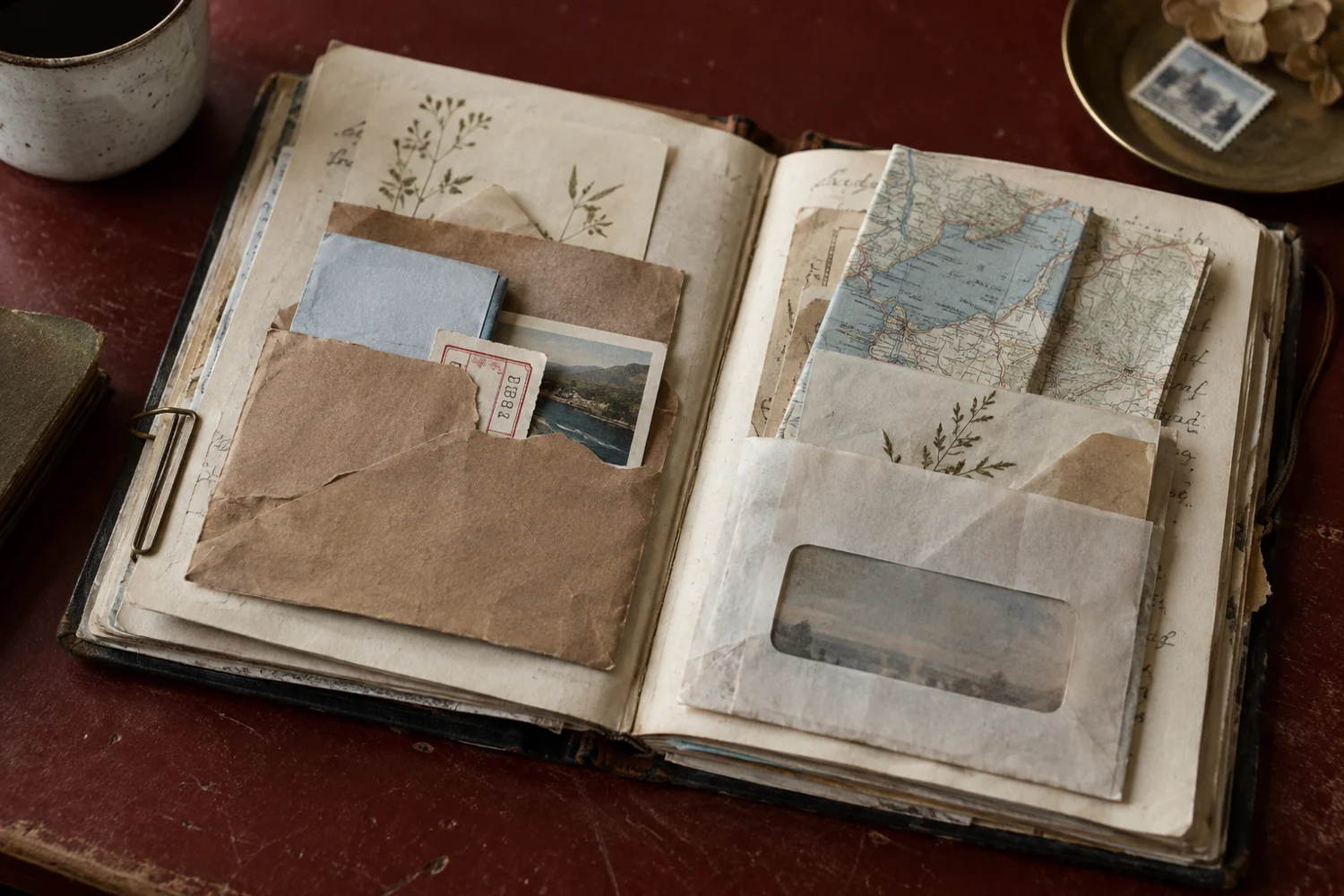 A SECOND LIFE, ON PAPER.
WHAT WOULD HELP TODAY?
NEW ON THE SHELVES
120 new guides, with worked examples
and things to try right on the page.
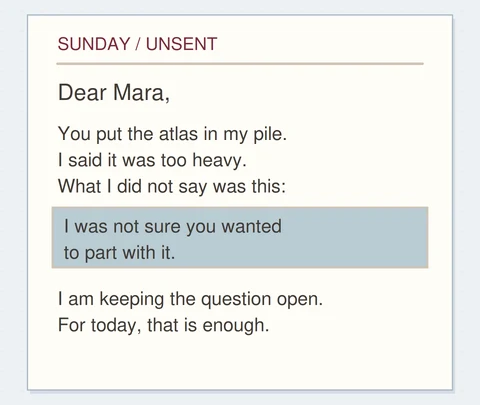
When you have something to say but can't find a way in, borrow a question, a voice, or a first sentence.
Explore the collection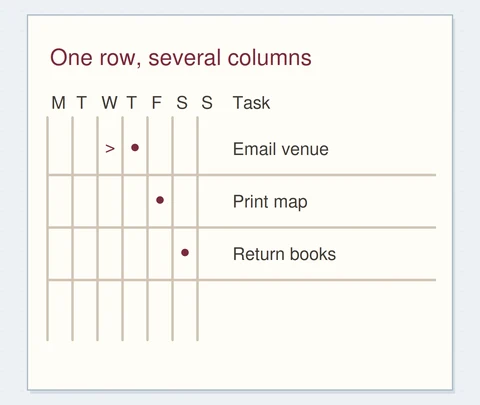
Keep the next action visible. Give the rest somewhere sensible to wait.
Explore the collection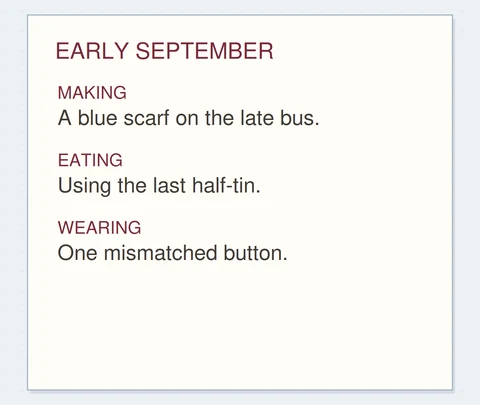
The detail you think you'll remember is often the one worth writing down.
Explore the collection
Weave, fold, print, and piece together the paper already within reach.
Explore the collection
Learn what changes when you move the shadow, lighten a layer, or give a letter more room.
Explore the collection
Read a little closer. Look a little longer. Make a notebook that helps you notice.
Explore the collectionThe page doesn’t have to be perfect.
It just has to give you a place to begin.
If the lovely notebook keeps staying closed, begin on a spare scrap. Keep one dated detail and give the note somewhere you can find it.
Start with a scrap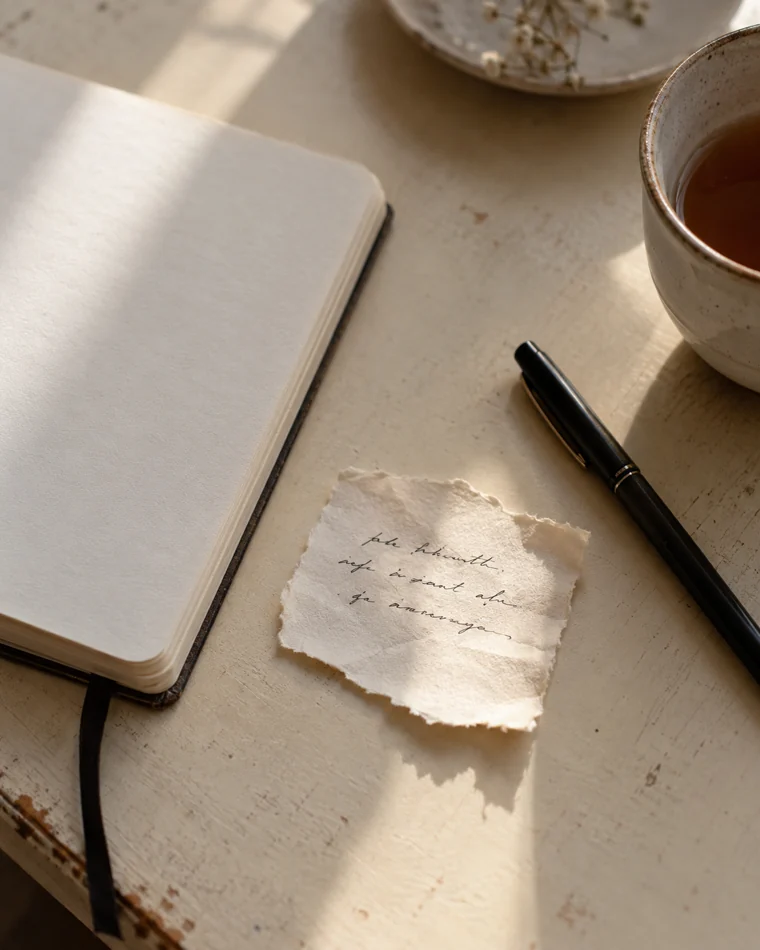
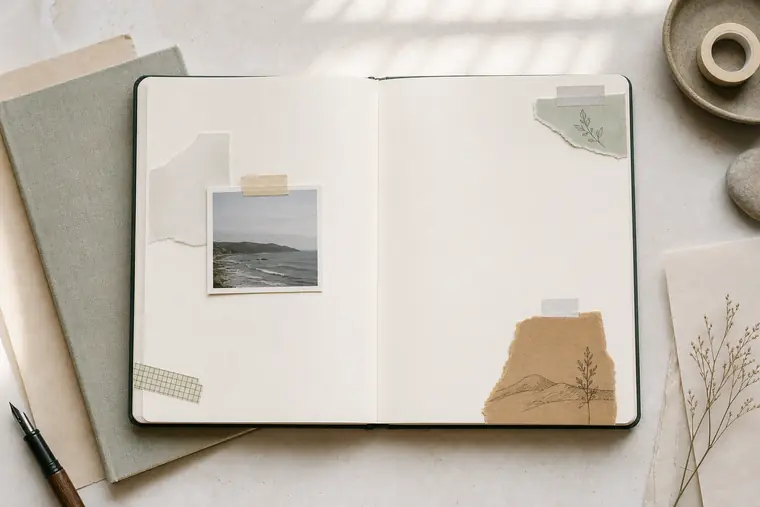
When every scrap looks good but the spread feels scattered, start with what you want to remember. The arrangement gets easier from there.
Find your page’s starting point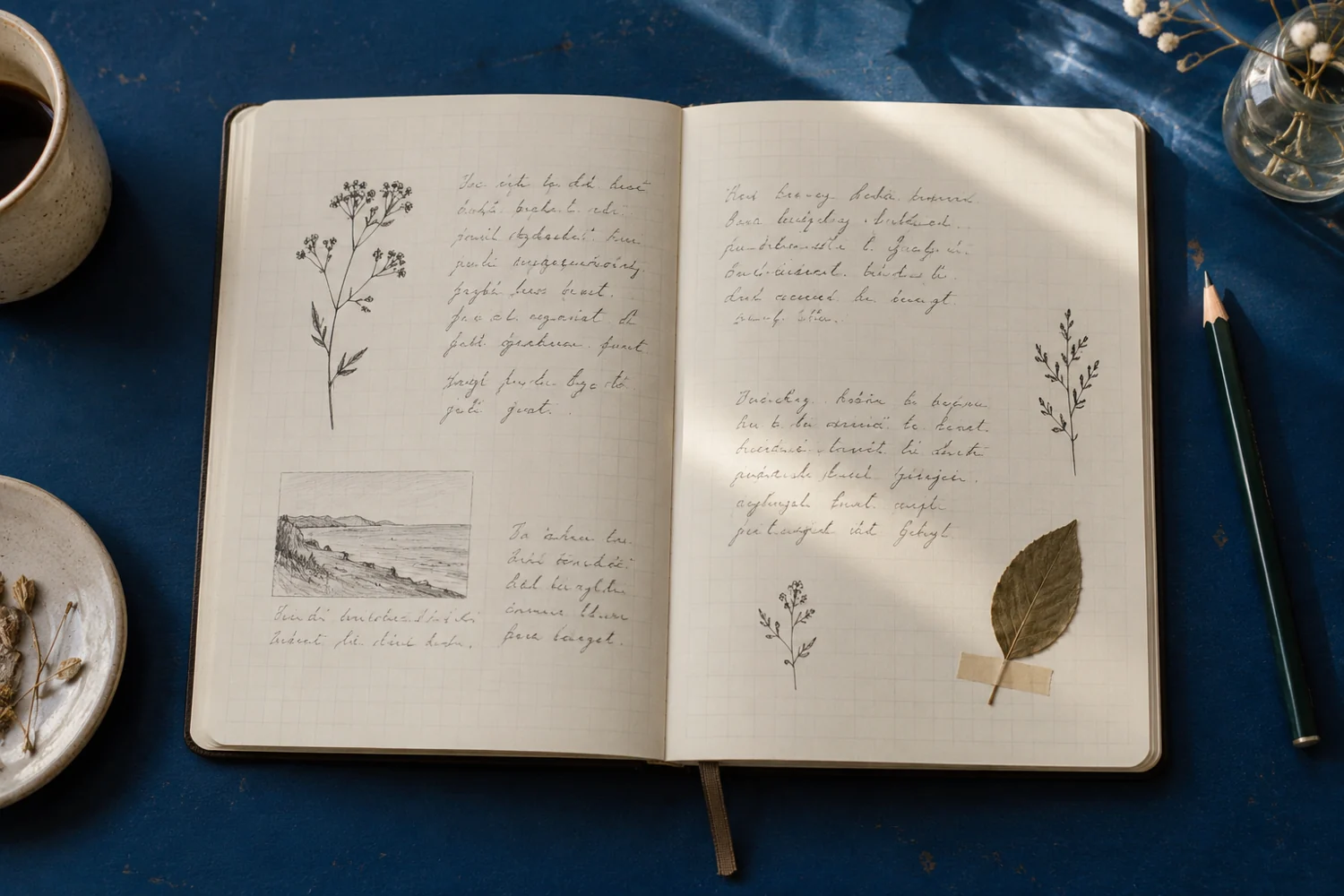
JUST YOU, A PEN, AND A FEW MINUTES
No practice book required. Draw one small sprig beside a sentence you want to keep. Then see what happens when you add another leaf.
Let’s draw it together Explore all 120 drawing recipesTHE ORDINARY DAYS COUNT, TOO
A photo you almost deleted. A coffee receipt. A sentence you’d rather keep to yourself. There’s a page in there somewhere.
A photo, search, route, song, or message can lead to one real detail. Find it, write what it meant, and leave the rest of the scrolling.
A receipt or wrapper can hold more than its printed information. Add the sentence that connects it to your day, then keep only what matters.
Keep an afterthought, private caption, or small surprise beneath a sticky note. Give the opening a purpose and remember that the adhesive is temporary.
THE WHOLE COLLECTION
Five Journal Pockets Hiding in Your Paper Scraps
That envelope you almost cut up already has useful seams. Turn five familiar scraps into pockets, with openings that make the note easy to retrieve.
Start on Paper You're Willing to Use
If the lovely notebook keeps staying closed, begin on a spare scrap. Keep one dated detail and give the note somewhere you can find it.
Let Your Washi Tape Hold Something Useful
A favorite roll can help a note lift, a page extend, or a pocket stay open. Start with the movement or space today's entry needs.
Start With One Stem and Two Leaves
A small botanical drawing doesn't need to become an art lesson. Learn a simple sprig that fits beside your sentence, then add variety through use.
Draw the Stationery You Wish Was on Your Desk
A pen can give you a label, ticket, tape strip, or photo corner. Draw only the shape your page needs and let the words finish it.
Make the Whole Spread Feel Like One Story
When every scrap looks good but the spread feels scattered, start with what you want to remember. The arrangement gets easier from there.
Seven Ways to Change a Page With Washi Tape
Try a soft shadow, a torn route, or the outline a removed strip leaves behind. One roll can change more than the page border.
Let Your Messy Notes Make the Planner Useful
Catch thoughts where they happen, then move the useful ones to your planner. A small notebook can bridge the gap without another elaborate system.
Choose a Weekly Layout That Fits This Week
Your busiest day may need the biggest space. Choose a weekly page around the plans and memories it will hold, then adjust after using it.
Let Today's Page Be What Today Needs
Some days need a plan; others need room to think. Choose a daily layout around the help you want now, with permission to change tomorrow.
Eight Little Notes Worth Lifting a Corner For
Keep an afterthought, private caption, or small surprise beneath a sticky note. Give the opening a purpose and remember that the adhesive is temporary.
Know What the Next Strip of Tape Is For
A photo, heading, or change of subject may need one clear adjustment. Give the tape a specific job and see whether it improves the page.
You don’t have to keep the whole day.
Just the bit you’ll be glad you saved.