Gather a few things See what you’ll need
- The unfinished book
- A notebook
- A pen
- A plain bookmark
Name what you are deciding today
Choose between stopping for now, stopping without a return plan, and leaving the decision open. Those are descriptions of your present intention, not permanent categories. Write the title and today's date beside your choice. If the book is assigned or needed for a real commitment, keep the required reading decision separate from your personal journal response; a notebook entry doesn't change that requirement. For recreational reading, you can stop because another book interests you more. You don't have to discover an impressive reason or prove that the author has done something wrong before closing the cover.
Choose the stopping note you actually need
Choose a situation and notice how the example changes. Each choice gives a different useful next move.
Keep a small route back into the scene.
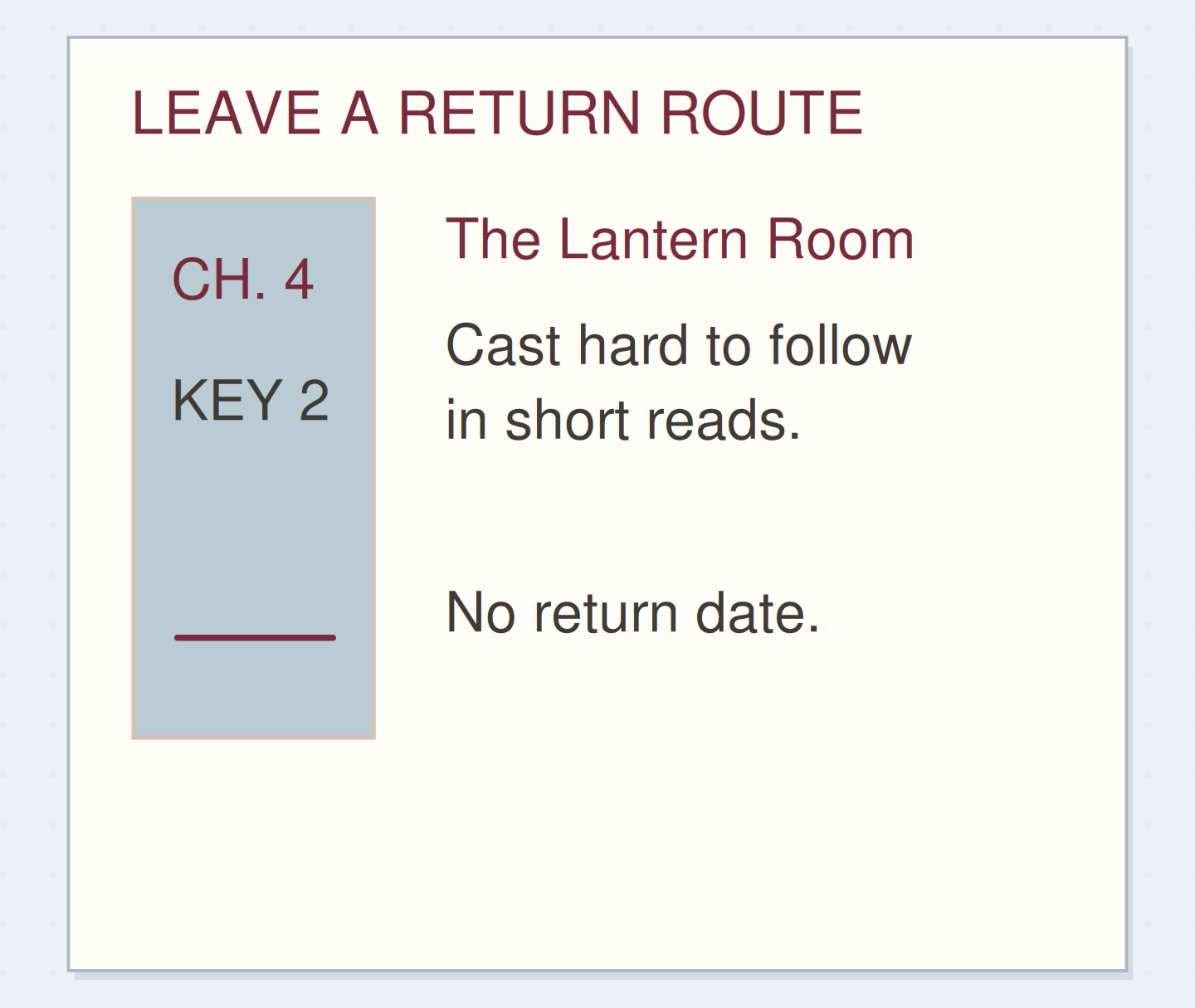
The changing house still interests you, but the cast is hard to follow in short stretches. Preserve the chapter and a character-list idea without making a return date you do not want.
Leave a reliable place to restart
Record the chapter, page, or audio timestamp and a short non-spoilery description of the last scene. Page numbers alone may fail when you return in another edition. Add two or three names only if forgetting them would block your restart. A line such as “The visitors have arrived; the missing letter hasn't been explained” is often enough. Keep the note with your reading entries rather than burying it in a future reading list. If you return a library book, transfer the location to your notebook and remove any loose slip that belongs to you.
“The note is finished when it records the location and the decision you want to make now.”
Describe your experience specifically
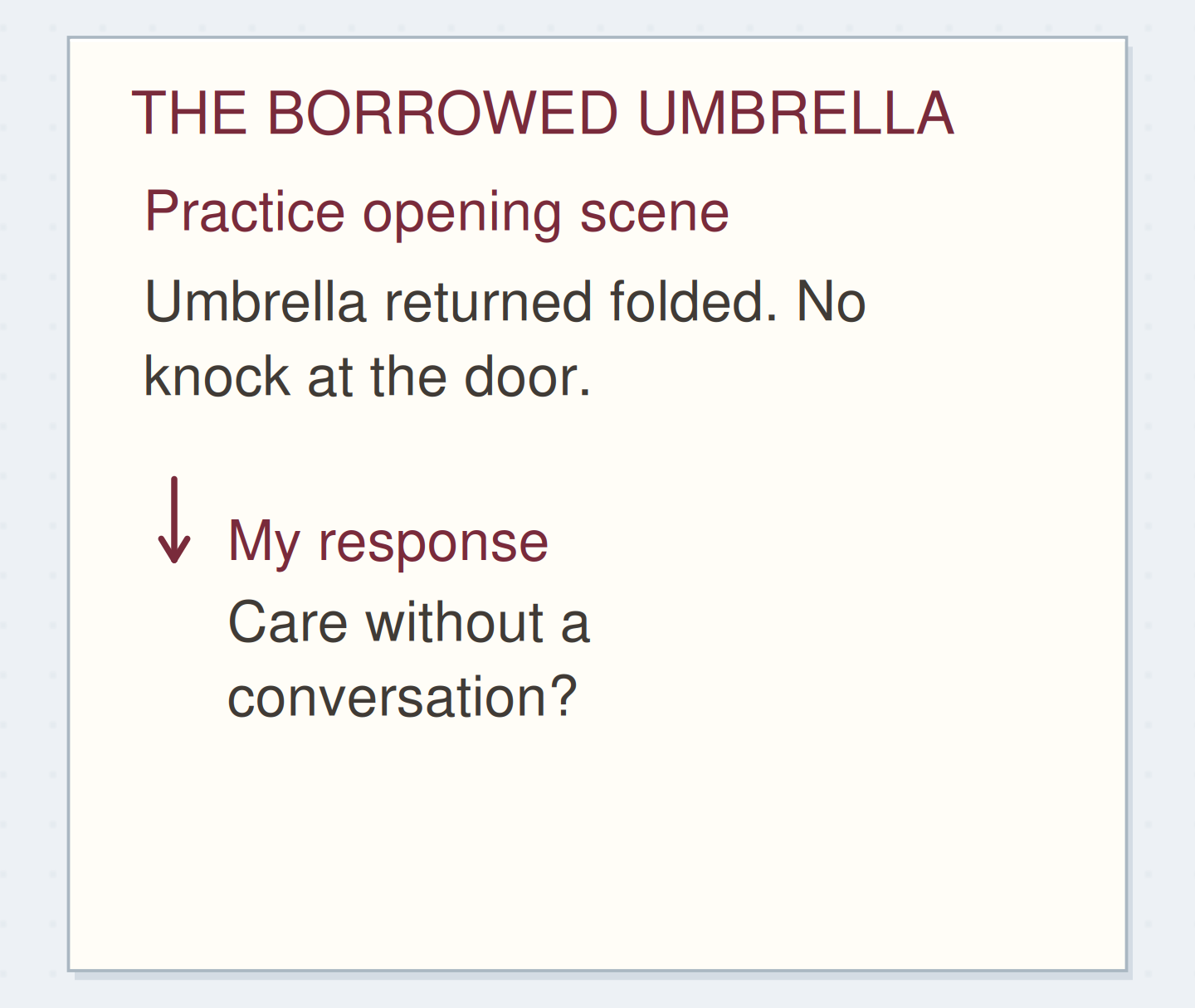
Write what you encountered and how it affected your reading. “The opening keeps switching narrators, and I couldn't follow the changes during short bus rides” preserves more useful information than “Confusing.” It also leaves room for the possibility that a different setting or format might suit you later. If a subject or style is simply unwelcome, name that boundary without reviewing the rest of the book you haven't read. Community discussions about returning to unfinished books show different preferences, including readers who never return. Your note should support your choice without prescribing the same decision to everybody else.
A useful stopping note
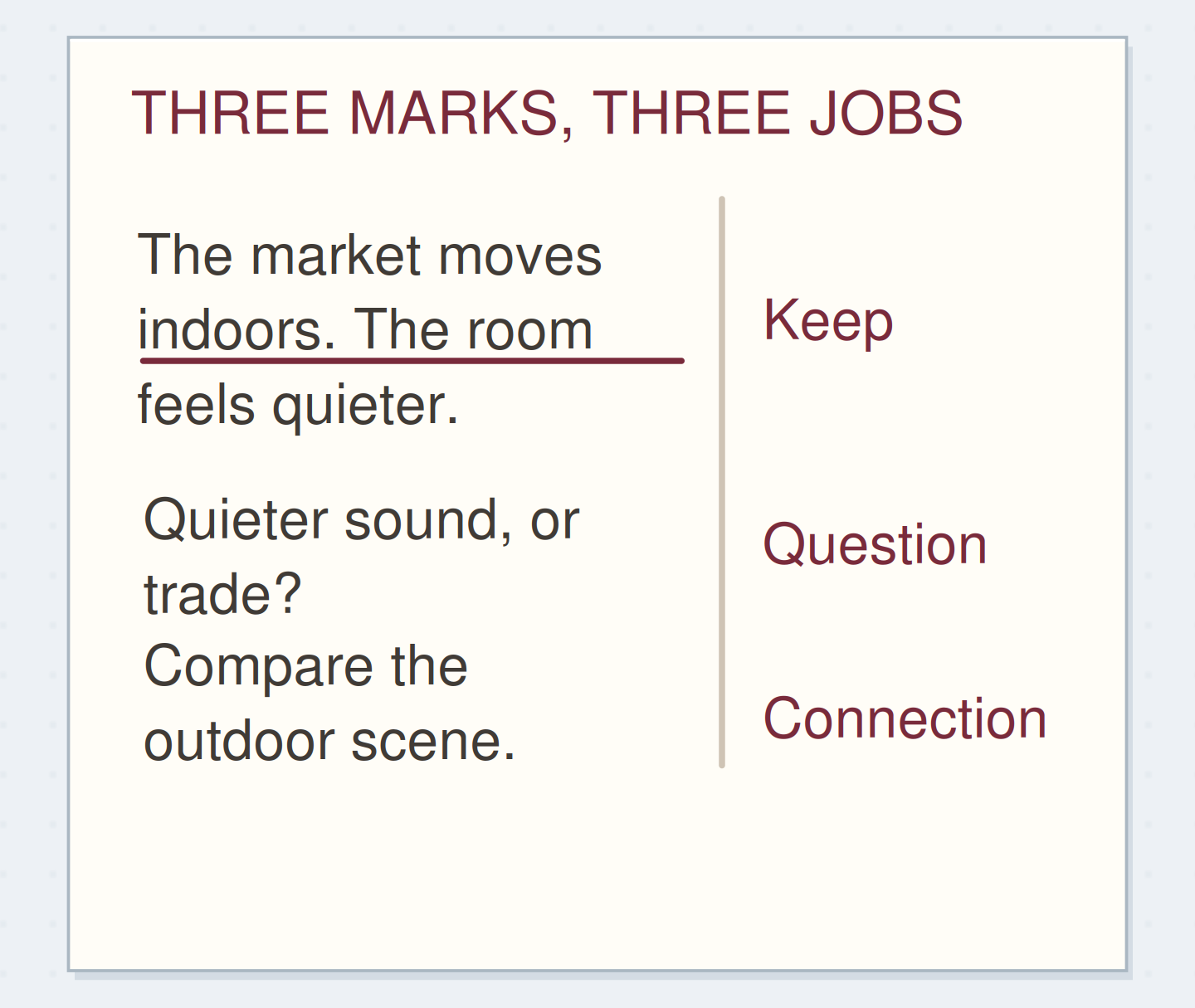
Move the reveal control to compare the two written examples. Read what the changed detail allows you to understand.
The note before revision
A completion label loses the stopping place and present reason.
Keep the door open without booking a return
Imagine an invented novel called The Lantern Room. Your entry reads, “Paused at chapter four, after the visitor finds a second key. I like the changing descriptions of the house, but the long cast list is difficult to follow in ten-minute stretches. If I want to return, reread the arrival scene and make a short character list. No return date.” That final sentence matters: the entry preserves a route without adding a deadline. For a book you don't want again, replace the return instructions with “Stopped here; this reading gave me enough.” Both notes are complete.
Draft: Leave a Useful Note in a Book You Stop Reading
Edit the practice words to make a note you can use in your own notebook. Keep any uncertainty visible.
Book and stopping placeThe Lantern Room, invented example; chapter four, second key found.
Why I stopped nowThe cast is hard to follow during short bus rides.
Return choiceNo return date; reread the arrival if interest returns.
Your words have a place now.
The initial words are an invented practice example. Edit only the details you want to keep; your entry can stay short.
- Words on this card
- 39
When the note becomes a prosecution
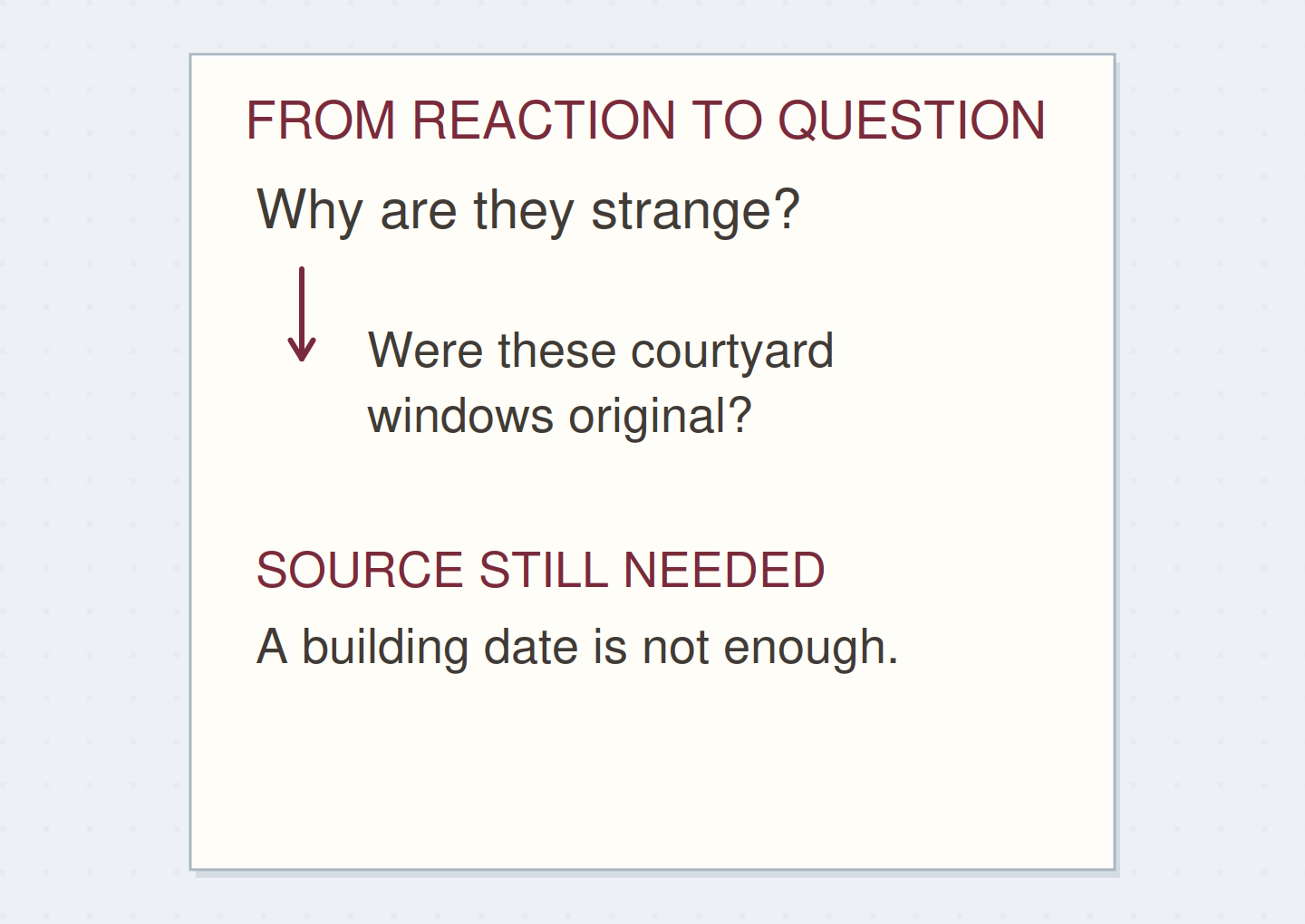
If you find yourself collecting every irritation to justify stopping, step back to the immediate decision. One clear reason is enough for your personal record. You can preserve an interesting line or idea without balancing it against a list of faults. If you've forgotten why you stopped, write that honestly and record where the bookmark sits; don't reconstruct a confident explanation from a hazy impression. A short revisit may clarify whether you want to continue, but it isn't compulsory. Leave uncertain details marked as uncertain, particularly when naming events or characters you haven't checked in the book.
Read your old note before reopening
If interest returns, start with your stopping note. Ask whether its practical obstacle still applies: perhaps you now have time for longer reading, or the topic has become relevant. Choose a small re-entry, such as the previous scene, rather than automatically beginning again. Add a new dated line if your response changes. Don't erase the earlier reason; it describes a real reading at another time. If you stop again, update the location only if useful. Repeated attempts do not need a scorecard, and there is no required number of chances a book must receive.
Let the book leave your active pile
The note is finished when it records the location and the decision you want to make now. Put the book where that decision belongs: return it, shelve it, or leave it nearby because you genuinely plan to continue. Your notebook can keep a modest record without keeping the object in your immediate workspace. On a later review, you may find that the remembered detail is all you wanted from this reading. You are allowed to leave the entry there. A useful ending can be a clear stopping point rather than the book's final page.
Prepare to shelve or return the book
Move the steps and check the dependencies. Only the stated preparation relationships matter.
One workable order
- Find the stopping locationA return note needs the place you actually reached.
- Record the locationSave it before the book leaves your active pile.
- Choose today’s statusThe status describes your present intention.
- Shelve or return the bookDo this after saving the location and deciding what you want now.
Which check needs to come first?
The example shows one workable order. This order keeps the required checks before the decisions that rely on them; other unconnected steps can change places.
Where this idea began
Want to follow the idea further? These community discussions and maker references are a good place to start.
- What books did you DNF and then go back to?
Readers describe returning to unfinished books in different formats or circumstances, while others prefer not to return.
- Pettiest reason you have DNF’d a book?
The discussion supplies demand for describing concrete reasons to stop recreational reading without requiring completion.
- DNF Meaning for Books — Bona Fide Bookworm
The search result explains the DNF term and suggests recording stopped books with their reasons.